Don't miss our holiday offer - up to 50% OFF!

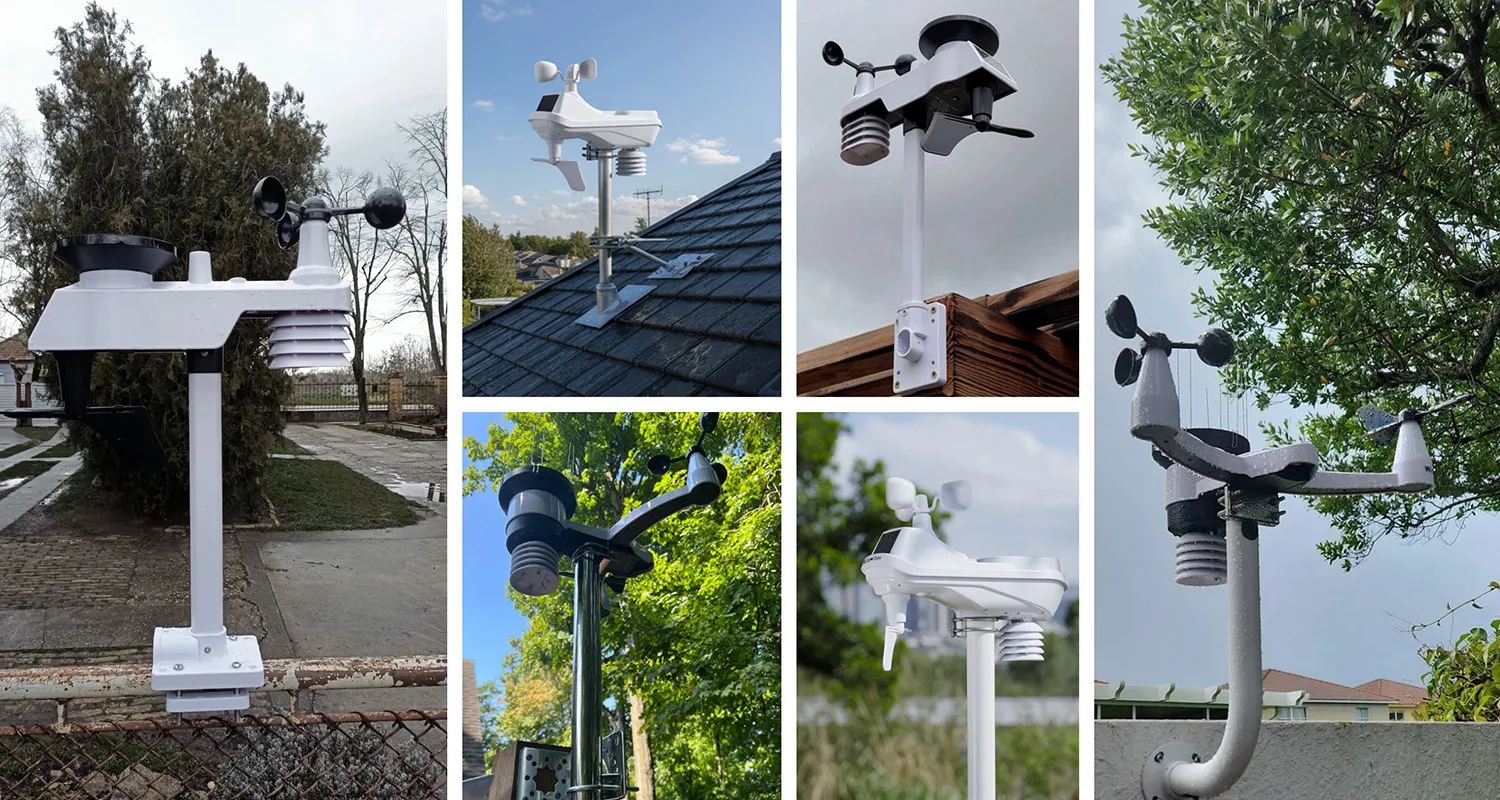
Choose the Right Type of Outdoor Weather Station

Outdoor weather stations are mainly divided into basic models and advanced models, with wired and wireless installation options:
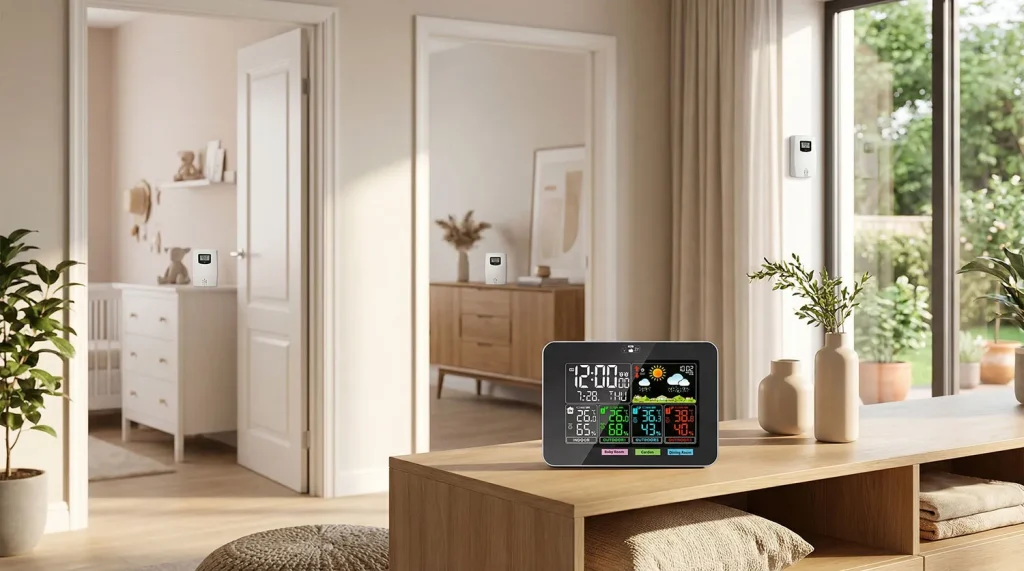
Basic Weather Stations
Core functions: Measure temperature, humidity, and sometimes rainfall
Suitable for: Casual users needing simple weather updates (e.g., daily clothing selection, basic outdoor activity planning)
Recommended model: Basic function room weather station WS6681
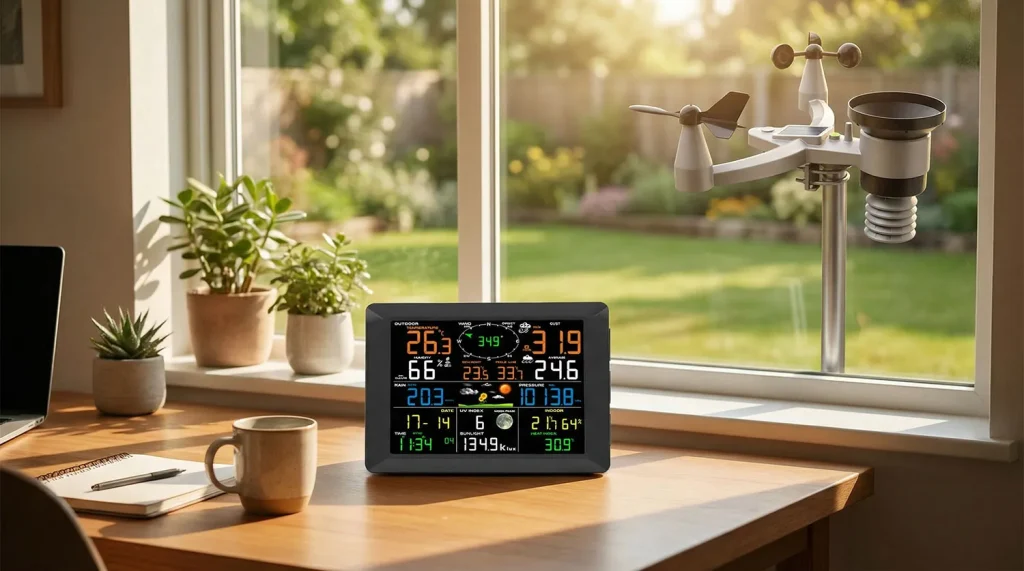
Advanced Weather Stations
Core functions: Add wind speed/direction, barometric pressure, UV index, soil moisture, etc.
Suitable for: Gardening, farming, outdoor sports enthusiasts, or professional weather monitoring needs
Recommended model: Intelligent weather station FT-0320-025T
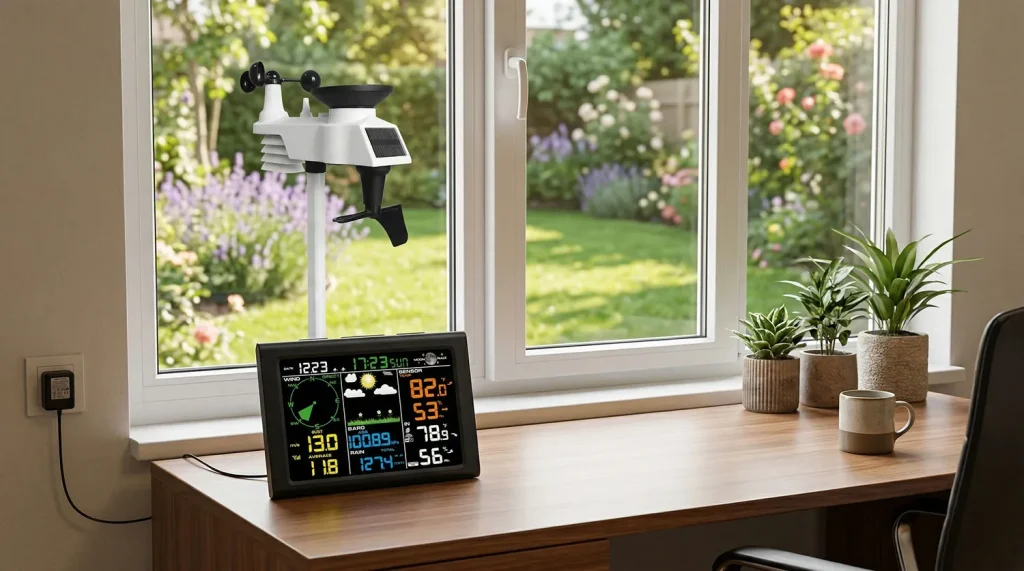
Special Type: Simple Weather Station
Features: Easy to install, cost-effective, basic data display
Recommended model: Simple weather station FT-0860-020T
Wired or Wireless
Wireless: Convenient installation, wide application (most mainstream choices)
Wired: More stable data transmission, suitable for complex indoor/outdoor environments
Key Features to Prioritize
Measurement Accuracy
Choose reputable brands with sensor calibration capabilities or positive precision reviews
Data Connectivity
Support Wi-Fi/Bluetooth/proprietary apps for remote monitoring
Cloud storage for long-term data analysis and trend tracking
Display & Interface
Options: Indoor LCD touch screen (colorful, multi-data display), simple digital screen, app-only interface
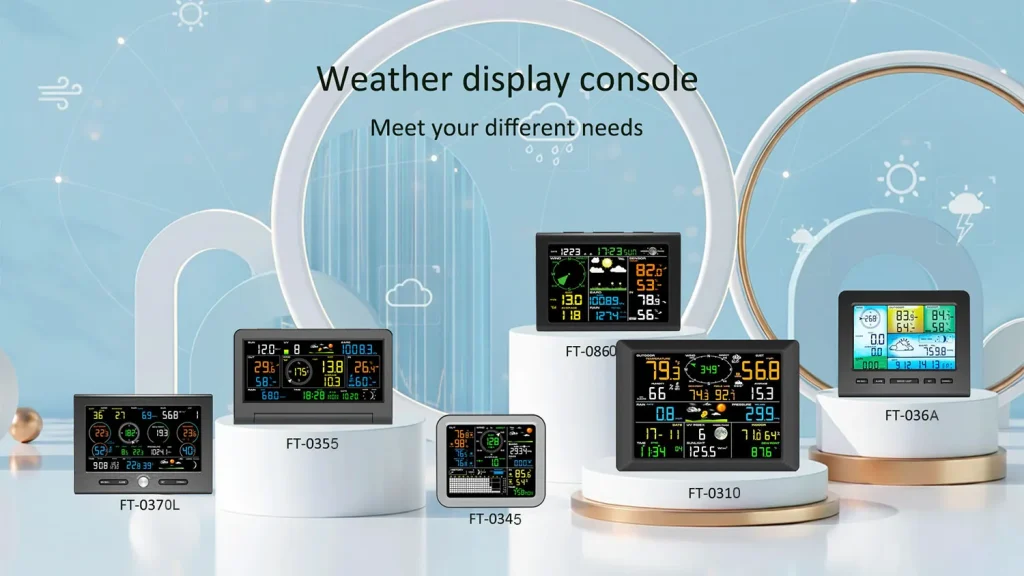
Select based on daily usage habits
Battery Life & Power Supply
Prioritize long-battery-life or solar-powered sensors
Look for low-battery alerts and self-calibrating sensors
Durability & Weather Resistance
Essential features: UV-resistant plastic, waterproof casing, rust-resistant components
Critical for areas with severe weather
Expandability
Support for additional sensors (soil moisture probes, indoor air quality monitors, etc.)
Installation & Placement Tips
Location Requirements:
Place sensors in open areas, away from walls, trees, and large structures
Ideal positions: Flat rooftop or sturdy yard pole
Height Standards:
Temperature/humidity sensors: ~5 feet above ground
Wind sensors: 10-15 feet above ground
Rain gauges: Level, unobstructed (no overhead branches)
Signal & Fixing
Ensure wireless sensors are within router/display range (test connectivity after installation)
Secure sensors firmly to resist strong winds
Special Notes
Use radiation shields for temperature sensors (avoid direct sunlight)
Choose accessible locations for maintenance (cleaning, battery replacement)
Advantages of Smart Features
Real-Time Alerts
Customize notifications for extreme conditions (freezing temperatures, high winds, etc.)
Cloud Connectivity
Store historical data for seasonal trend analysis
Access detailed graphs and forecasting models via dedicated apps
Remote Access
Monitor second homes/vacation properties anytime
Respond promptly to potential risks (frozen pipes, flooding)
Smart Home Integration
Sync with other smart devices for a unified home management system
Budgeting & Final Selection
Cost-Benefit Principle
Basic needs (temp/humidity/rainfall): Choose budget-friendly models
Advanced needs (wind/UV/soil moisture): Invest in mid-to-high-end models
Value Prioritization
Avoid the cheapest options (compromise accuracy/longevity)
Opt for well-rated, moderately priced models for better user experience
Decision Checklist
Clarify essential measurement data
Confirm installation environment (wired/wireless suitability)
Evaluate user interface preferences (console/app)
Balance budget with durability/accuracy